
Key Promotional Merchandise Trends for 2026
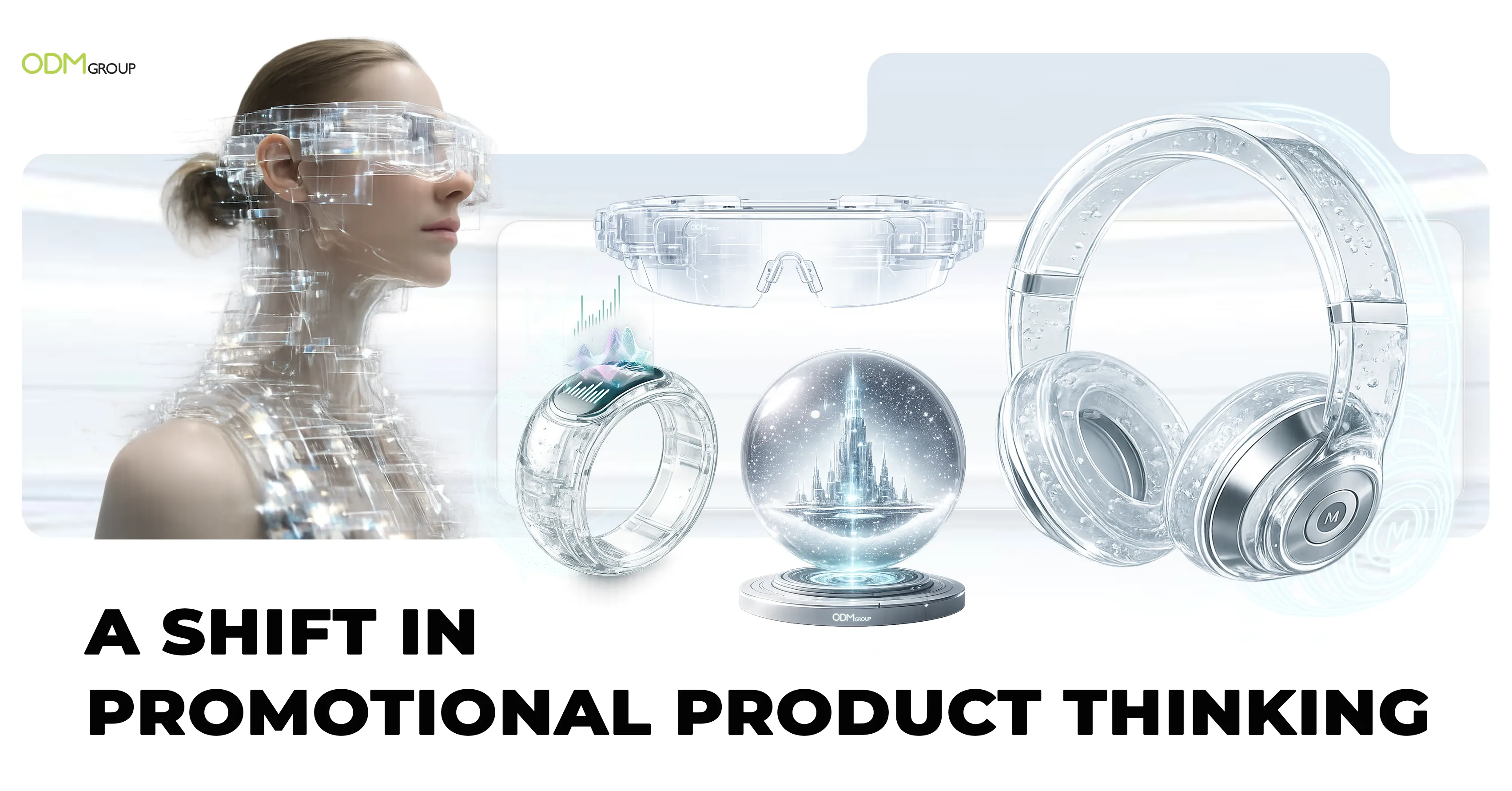
Promotional merchandise designed for contemporary use.
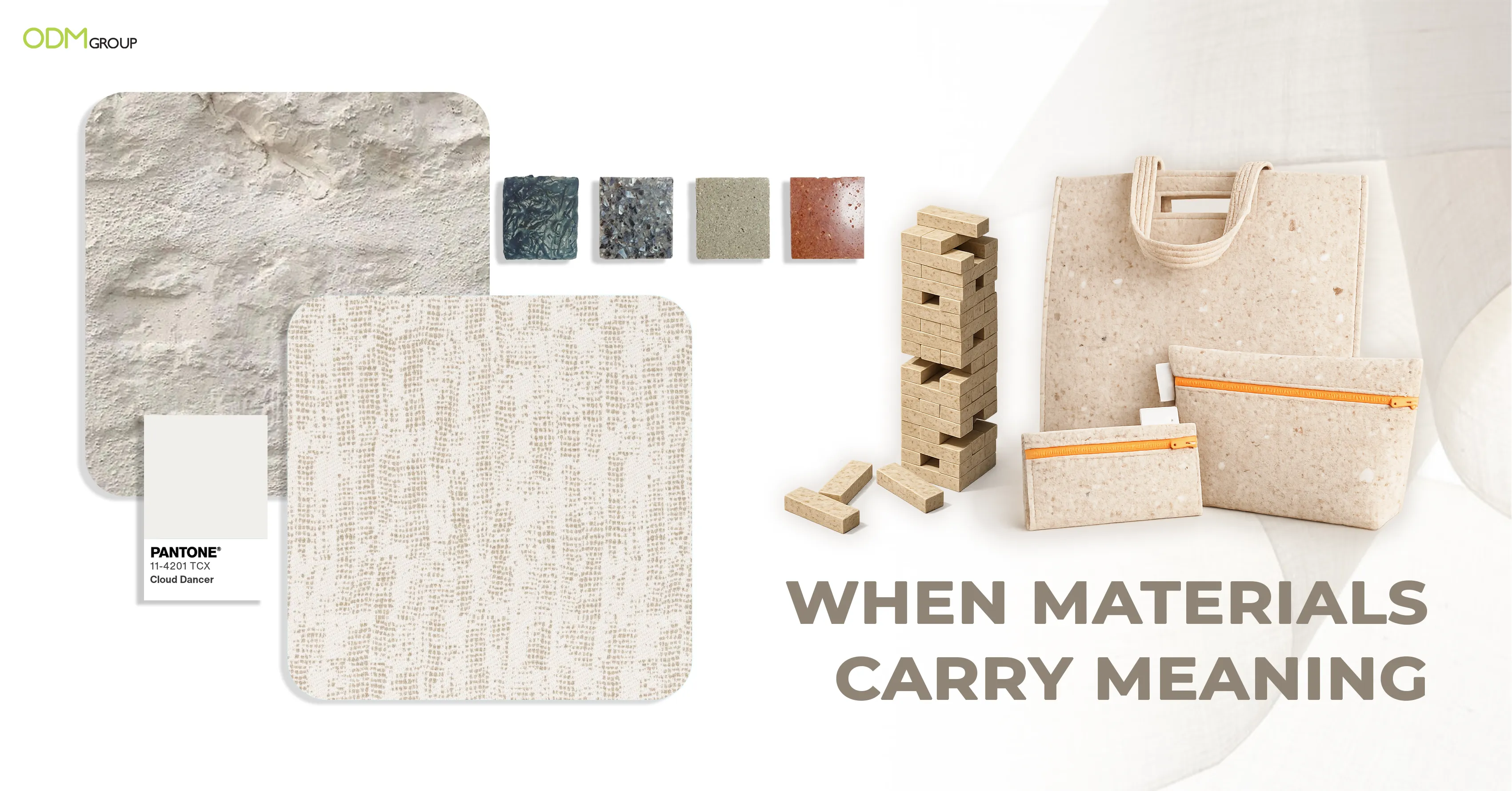
Material choices communicate values, quality, and intent before branding is applied.
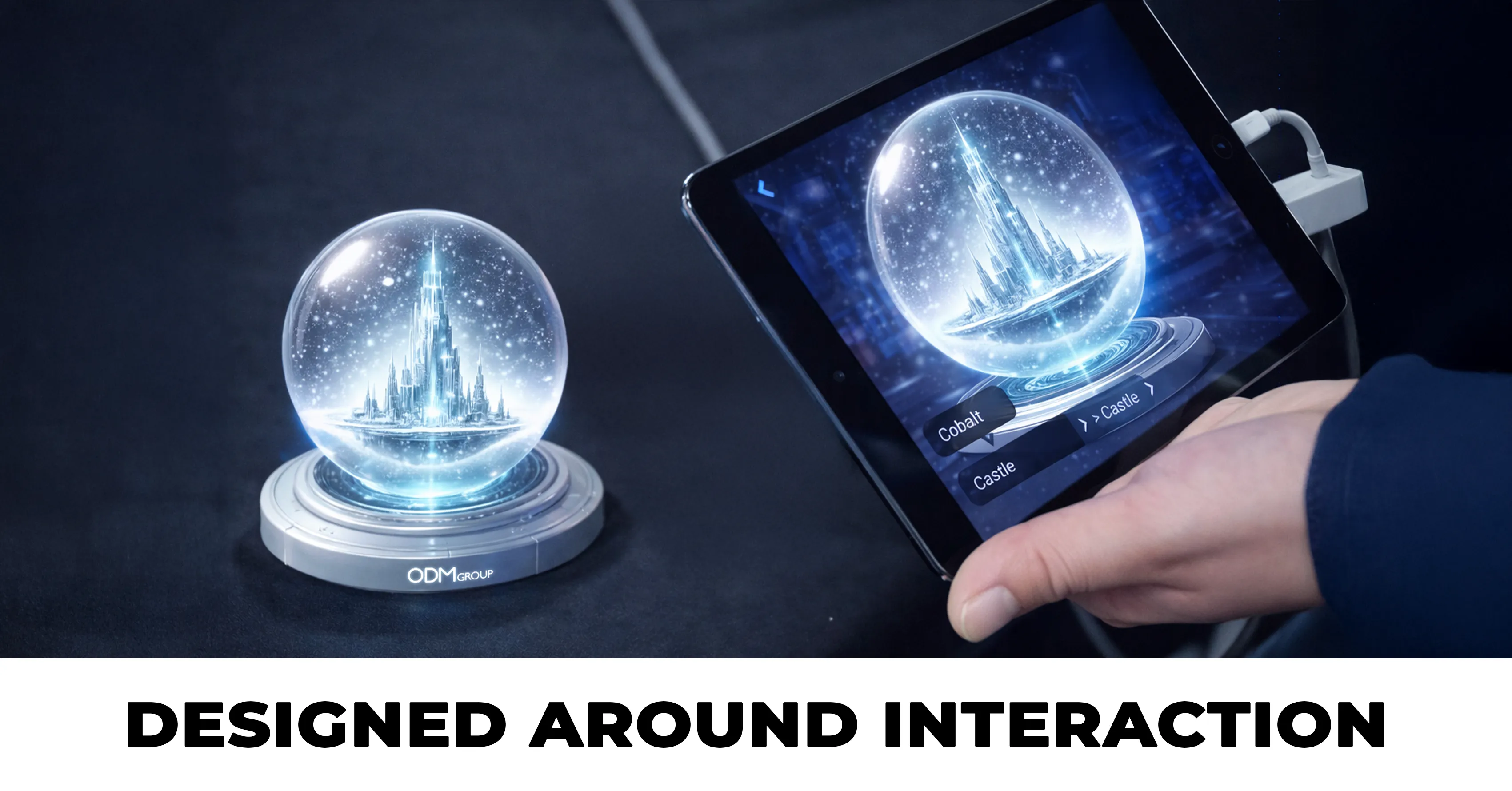
Technology-enabled promotional items shown in active use, emphasizing intuitive interaction.

The ODM Group develops promotional merchandise, POS displays, and brand-led packaging in collaboration with global brands.
As promotional products evolve into long-term brand assets, new trends are shaping merchandise decisions for brands in 2026.
SEATTLE, WA, UNITED STATES, January 27, 2026 /EINPresswire.com/ -- As companies plan marketing and merchandising strategies for 2026, promotional products are playing a more strategic role across departments. Once treated as low-priority giveaways, branded merchandise is now expected to deliver measurable value, reflect brand positioning, and meet stricter sourcing and sustainability standards.According to new insights from The ODM Group, the global promotional products industry is valued at approximately USD 97.415 billion in 2025 and forecast to surpass USD 130.776 billion by 2033 with a CAGR of 3.75% during 2025 to 2033. This is being shaped by changing expectations around sustainability, usability, and design quality.
Trend insights released by The ODM Group indicate that these promotional trends are being shaped by changes in material expectations, product usability, and design standards rather than increases in volume alone.
The Shift From Products to Future Objects
Promotional items are no longer selected solely based on price or logo visibility. In 2026, brands are investing in future objects; merchandise designed to feel relevant, durable, and intentional within everyday environments.
For marketing and brand teams, this means selecting items that integrate naturally into workspaces, travel, or lifestyle routines. For procurement teams, it means prioritising products with longer usage cycles and consistent quality across markets.
Industry data from PPAI Consumer Study shows that over 63% of recipients keep useful promotional products for more than one year, increasing brand exposure without repeated spend.
What Materials Say Without Words
Material choice now plays a central role in how promotional products are perceived. Recycled plastics, bamboo-based materials, FSC-certified paper, and durable textiles are no longer viewed as optional upgrades but as baseline expectations.
According to a survey cited by BusinessDasher, 92% of consumers report greater trust in brands that demonstrate social or environmental responsibility, while 55% indicate a willingness to pay more for environmentally friendly brands, reinforcing the growing importance of sustainably produced merchandise in shaping brand perception
As a result, materials increasingly function as a form of non-verbal communication; signaling responsibility, quality, and long-term intent.
Experience Over Explanation in Human–Tech Design
Promotional products in 2026 are increasingly designed to communicate value through use rather than explanation. Intuitive, practical items are favored over products that rely on printed messaging or instructions.
This shift is supported by consumer research indicating that 89% of people say they would keep a promotional product indefinitely if it is useful, underscoring the continued relevance of everyday items such as drinkware, writing instruments, and desk accessories.
Technology-enabled merchandise follows the same principle, with designs that integrate quietly into daily routines rather than drawing attention to features. Together, these developments reflect a broader emphasis on interaction and usability as key drivers of long-term brand retention.
Designing for Modularity and Transformation
Flexibility has emerged as a defining design characteristic for promotional merchandise. Modular and transforming forms—products that fold, expand, or serve multiple functions—support longer product lifecycles and reduce redundancy.
This design approach aligns with efficiency and sustainability objectives, allowing a single item to adapt across different contexts while minimizing excess production. As supply chains continue to face pressure, modularity offers a practical response to changing deployment needs.
When Editorial Thinking Shapes Promotional Products
An editorial mindset is increasingly influencing promotional product aesthetics. Inspired by retail and lifestyle publishing, this approach prioritizes proportion, texture, packaging, and visual restraint.
Industry observers note a growing emphasis on merchandise that feels curated rather than mass-produced—designed to sit comfortably alongside consumer products rather than stand apart from them. This shift reflects a broader expectation that branded objects should meet contemporary design standards.
Should brands invest in promotional merchandise?
In 2026, effective promotional product strategies increasingly depend on closer alignment across creative, commercial, and operational considerations. Merchandise decisions now play a broader role in shaping brand perception, sustainability performance, and long-term cost efficiency.
Key considerations include:
- Selecting products designed for extended use and long-term relevance
- Treating materials as an integral part of brand communication
- Prioritizing intuitive user experience over message density
- Leveraging modular designs to support scalability and efficiency
- Applying editorial design standards to physical branding
As competition for attention intensifies, promotional products that are well-designed, responsibly sourced, and thoughtfully planned continue to offer a durable form of brand engagement.
Taken together, these promotional trends indicate a recalibration of the role promotional products play within brand strategy. In 2026, merchandise is less focused on short-term visibility and more centred on sustained presence, material credibility, and considered design.
As digital communication channels continue to expand, durable, functional, and responsibly produced promotional products remain a consistent method of maintaining brand recognition over time.
About The ODM Group
The ODM Group is a global promotional product agency specializing in branded merchandise, packaging, and in-store POS solutions. With integrated design, sourcing, and production capabilities across Asia, ODM supports brands in developing promotional products aligned with evolving market expectations.
More information on promotional product trends and related industry insights is available at https://www.theodmgroup.com/promotional-product-trends/
Eloise Vo
The ODM Group
+84 28 7300 6809
info@theodmgroup.com
Visit us on social media:
LinkedIn
Instagram
Facebook
YouTube
TikTok
X
Other
Legal Disclaimer:
EIN Presswire provides this news content "as is" without warranty of any kind. We do not accept any responsibility or liability for the accuracy, content, images, videos, licenses, completeness, legality, or reliability of the information contained in this article. If you have any complaints or copyright issues related to this article, kindly contact the author above.
